We’ve all been there: you’re a Level 12 Paladin stepping into the Dragon’s Lair.
Okay, maybe this will require a little more theatre of the mind.
Imagine you’re a Level 12 Paladin stepping into the Dragon’s Lair. You had the gold for the enchanted mithril plate, but your fence, Honest Joe (who we’ll call your procurement team), insisted on the budget-friendly, participation-trophy, vendor-trash levelling gear to save a few coppers. After the light at the end of the tunnel bloomed into a glorious yet crispy death moment, you’re doing a corpse run to get back to your body and start again.
With some sadness, and potentially a lot of ennui, you realise you’re spending mithril money over and over again on repair bills without getting any further forward. That right there is your organisation running on a minimum viable procurement strategy.
The Full O’Fruit Strategy
Back when I worked at an organisation that will remain nameless, I coined the Full O’Fruit Strategy, a term I cleverly copy/pasted from Arnott’s. Arnott’s whole marketing shtick was that you got a biscuit with all the fruit. Not a little fruit, not shadow fruit, not gummies dressed as fruit, just… like, fruit, man. All there, in the biscuit, edge to edge.
While I thought I was pretty clever for naming a strategy after a snack, the pinnacle of inspiration came not from overeating, but from that damn time I was working on a Cisco router that had been bought at the bare minimum of capability. You’re likely able to empathise with this more than the Paladin story – we’ve all been there, trying to implement that awesome edge routing feature that will save our customers time and money, then find out some penny-wise, pound-poor fool skimped on the licensing. They left us with a router that couldn’t multi-home with BGP because the image was locked down to IP Base.
Mr Pennywise, in this scenario, had a minimum viable procurement mindset, and assumed that life was a series of static snapshots rather than an evolving story. Buying the basic package today saves a dollar, but next fiscal you’re either paying ten dollars in custom integrations, bolt-ons, and technical debt, or you’re having an uncomfortable conversation with your sponsor about why you can’t do the thing they wanted without paying the same vendor they already paid for another feature set.
The Gamer’s Trap
We’ve touched on this already. In gaming, there’s a certain sort of player who won’t buy gear at the mid-game vendor because they want to use their gold in the end-game. This same player will never spend the gold, and should they finish the game, they finish it a) with a lot of gold b) a lot of scars and c) their levelling gear that was fine for the starter zone but is not spec’d for a dragon fight.
Along the way, they might spend some of their hoarded wealth on scrolls or potions… hell, they might even pay real money for a level booster, all so they can save that cash for the end stoush. When the fight arrives, they get their clock cleaned, and complain about the game being unbalanced.
While I’m torturing the analogy, if you run your enterprise this way, you’ll be spending triple the cost of the good armour just to make it to next quarter. Your poorly equipped character, or maybe it’s a router, is on permanent life support. If you’d just bought the damn mithril plate, the passive damage reduction would have saved you a fortune in panic-guzzled potions while you dodge roll around in a field of fire.
The Sci-Fi Nightmare
Any classic space freighter (say, the Millennium Falcon) is a money sink. Ships like this were … let’s call it acquired as a basic chassis, and every third story beat, the crew bypass-wires the life support into the hyperdrive because the aftermarket components don’t talk to each other properly.
If your organisation is buying the bare minimum, you’re trying to build a starship out of spares and scrap. It sure looks cheap on that initial invoice! But the engineering crew is constantly in the crawlspaces, and you’re spending a fortune on duct tape.
At some point, and we’ll switch from Star Wars to Star Trek, your procurement team is going to land you in a situation where the warp nacelles won’t talk to the deflector dish when they really, really need to. When you don’t buy the fully optioned, fully supported ecosystem, you are volunteering your internal engineering team to be the glue. You haven’t saved money. You certainly haven’t saved any time. You’ve just shifted the cost around from a vendor invoice to internal burnout, and when the boatman calls, you’ll find interest is due.
Wish vs. Limited Wish
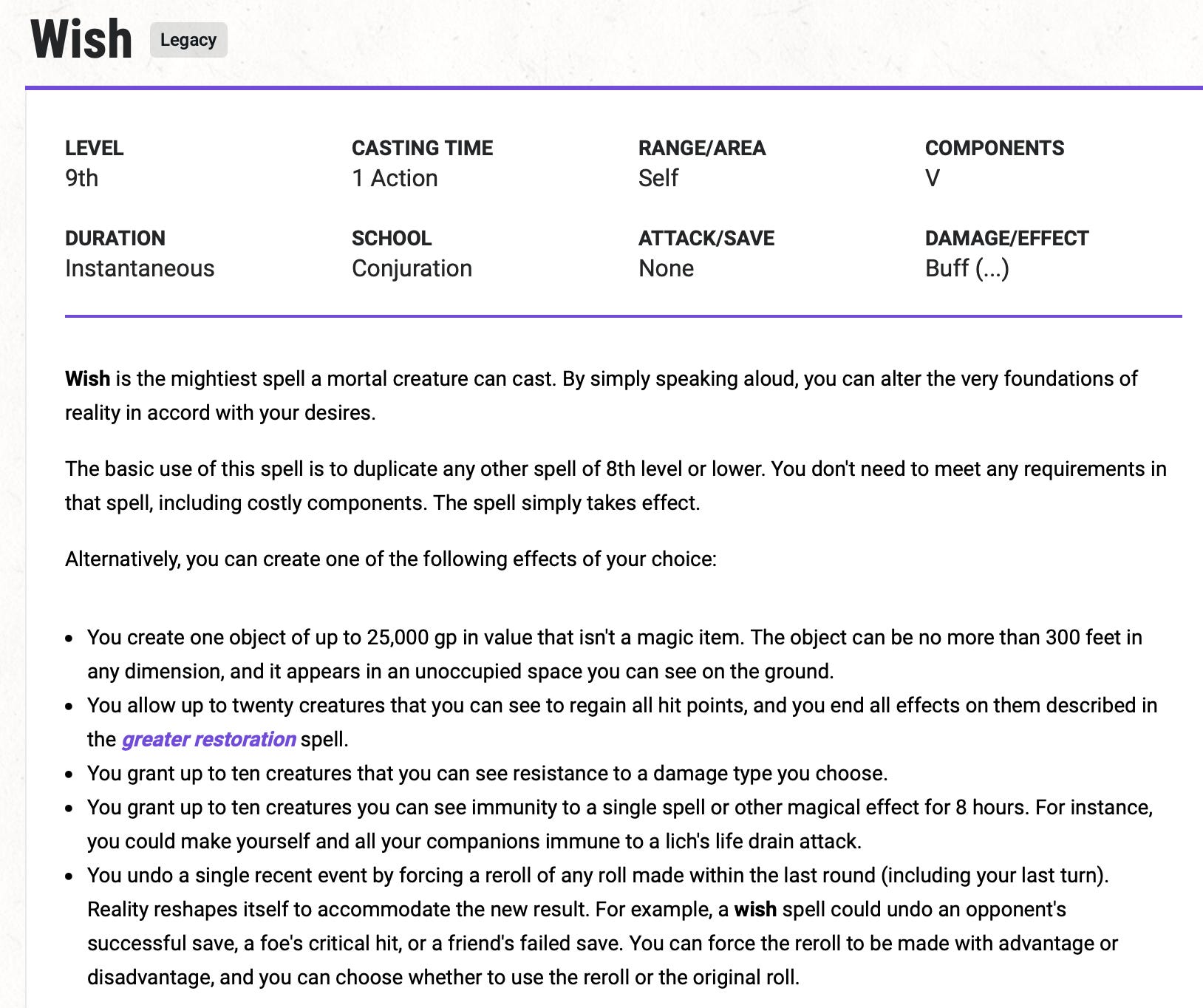
I see you Dungeons & Dragons guys at the back, so I’ve prepared an analogy for you too. In D&D, there’s what we’ll call a McMassive functional gulf between a Wish spell and trying to replace it with lower-level, bitsa magic. When you’re trying to cobble together a major effect (say, moving a mountain) using minor utility spells (say, Mage Hand, Prestidigitation, and a chicken you found out back) your concentration breaks (chickens squawk), the duration expires before you’ve shifted even a bucket of sand (one minute is not a long time for a mountain-sized task), and the Dungeon Master uses this as a teachable moment to educate you.
If you think that education is going to hurt, you must have been at one of my games.
Buying the fully supported enterprise solution is casting Wish. It alters reality, man, but critically it fits your needs because it solves all needs. Buying the cheap option will not solve the same problem for you now, and spoilers, but never in the history of engineering has it ever. You can’t reach the moon with a pressure rocket.
TL;DR: stop trying to solve level 9 problems with cantrips. Your basic risk aversion is manifesting as a cobbled-together magic system that ignores the human costs and sub-optimal outcomes. The cognitive load of managing five small, cheap, disconnected tools is vastly higher than simply paying the mana tithe for the one big spell that works.
And yes, I know that D&D Wish spells don’t use mana. I sometimes use hyperbole to make the point.
The Real Illusion Magic
The beauty of the Full O’Fruit concept (especially the revelation that the add-ons eventually cost more than the premium initial buy would have) is that it exposes the illusion of thrift. In all three of these examples, the characters who try to cheat the system by buying cheap end up paying a much higher tax in blood, sweat, or gold later on.
If you’ve ever wondered why your best people are polishing their CVs and your budget seems to erode like the coast during global warming (despite aggressive cost-cutting), you might be trapped in the minimum viable procurement cycle. Saving a dollar today is costing you ten tomorrow in fixes and frustration.
I have three suggestions for you.
First, stop measuring the success of your IT procurement by the size of the initial discount. If your team is spending their weekends doing corpse runs to patch together a bare-minimum solution, you haven’t saved money. You’ve shifted the bill to internal burnout. Next time you’re looking at an enterprise roadmap, buy the fully optioned, fully supported version of the thing you need. Go Full O’Fruit early. Your engineers (and your bottom line) will thank you.
Second, if you aren’t willing to buy the premium tool that actually solves the problem today, you aren’t ready to solve the problem at all… so, don’t. Minimum viable procurement is an illusion that’s just a downpayment on an integration debt mountain. Stop paying the tax on cheap gear until you can buy the good stuff.
Finally, retire the shoestring mindset. We’ve all stared at a console prompt in the middle of the night, waiting for a license key that procurement blocked six months ago. Buy the good thing first, build the robust foundation, and save your team from the endless cycle of aftermarket patches and integration agony.
If this post gave you a moment of bittersweet nostalgia, consider subscribing! Maybe we can start a therapy group together.
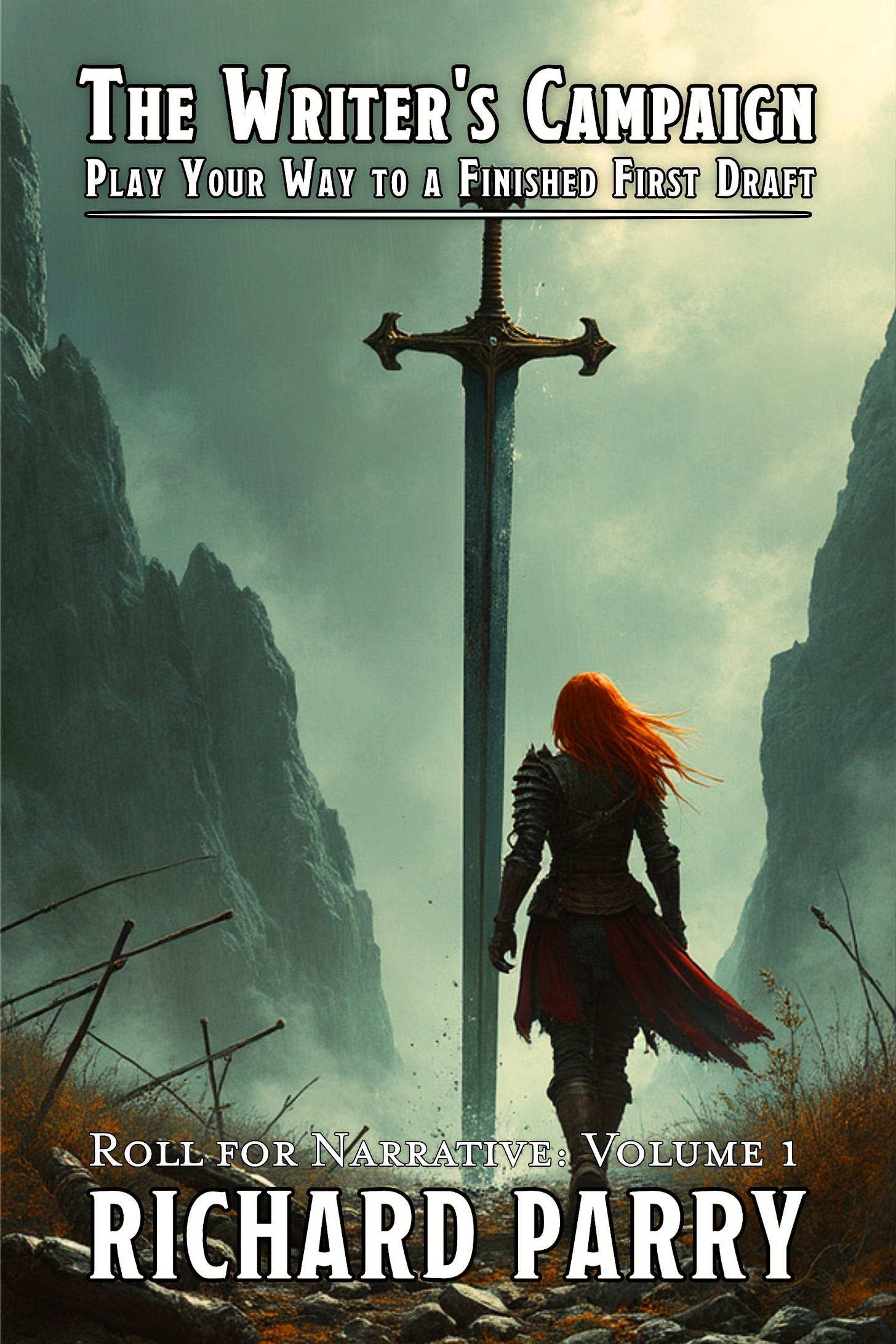
If you enjoyed this, maybe check out my gamified how-to-write book The Writer’s Campaign:
Discover more from Parrydox
Subscribe to get the latest posts sent to your email.